
Challenges of Adjusting to Life Abroad
Living abroad often looks glamorous on social media—sun-drenched beaches, charming cafes, colorful markets, and exciting day trips. But beneath those perfectly filtered photos is a much more complex reality. The truth is, adjusting to life in a new country comes with a host of emotional, cultural, and logistical challenges that can catch even the most seasoned traveler off guard.
Whether you’re moving abroad for retirement, work, love, or a sense of adventure, the transition from short-term visitor to full-time resident is profound. In this article, we’ll explore the most common hurdles expats face when adjusting to life abroad—and practical strategies for navigating them with resilience and grace.
Religion and Cultural Norms
In many countries—especially throughout Latin America, Southern Europe, the Middle East, and parts of Asia—religion is not just a personal belief system. It’s a thread that runs through public holidays, political debates, family traditions, and everyday conversations.
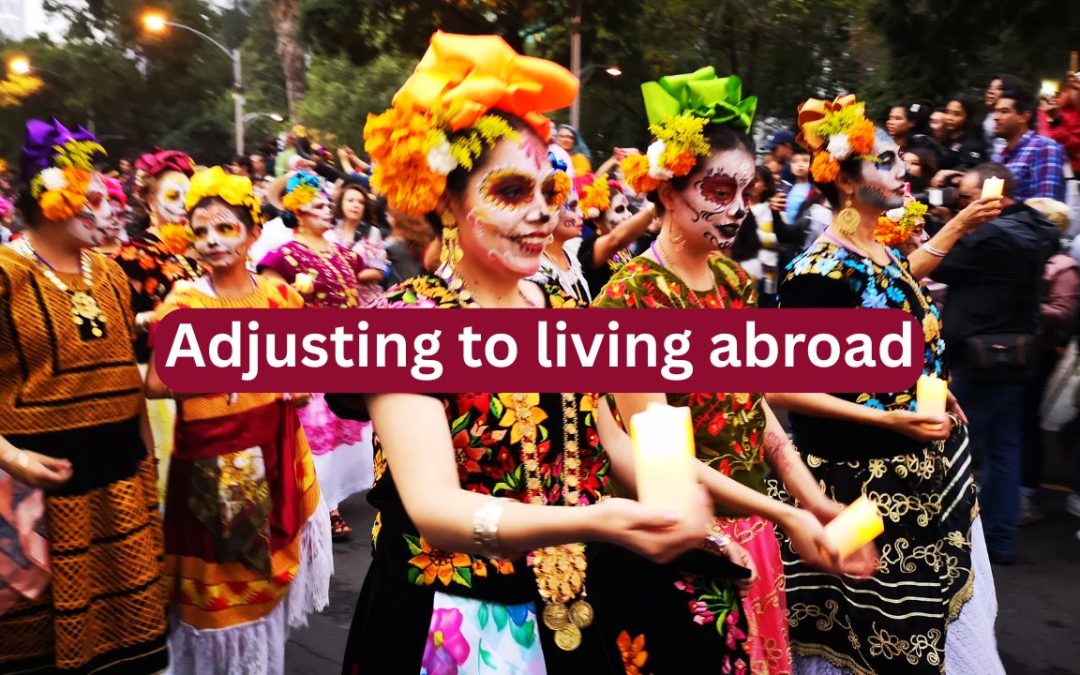
In Mexico, for example, Catholicism is deeply rooted in the culture. Religious celebrations like Semana Santa (Holy Week), Día de la Virgen de Guadalupe, and various saints’ feast days are widely observed. Stores may close, parades might block traffic, and religious language is often used in casual conversation.
If you come from a more secular or religiously diverse society, this can be an adjustment. You might feel:
- Out of place during religious rituals or festivals
- Conflicted if local laws or customs are influenced by religious doctrine
- Unsure of how to respectfully participate—or whether to decline invitations
Being open-minded while setting your own boundaries is key. You don’t have to change your beliefs, but showing respect for the host culture goes a long way toward building trust and goodwill.
Tip: Learn the basic meaning of major holidays, and ask questions respectfully. Most locals are happy to share their traditions with curious newcomers.
Language Barriers: More Than Just Vocabulary
You may have studied Spanish, French, or another local language in school or with an app before your move. But using that language in everyday life—at the doctor’s office, a government agency, or the grocery store—is an entirely different challenge.
Real-life language use includes:
- Fast speech, regional accents, and slang
- Bureaucratic terms used in government forms
- Cultural idioms and jokes that don’t translate
Even with fluency, many expats feel a gap when it comes to expressing emotion or humor. You might find yourself:
- Hesitating to speak up in meetings or social events
- Misunderstanding contracts or official documents
- Struggling to explain a nuanced issue like a medical concern or insurance claim
Language immersion is the best way to improve, but in the early stages, it can be mentally exhausting and emotionally isolating.
Tip: Keep a notebook of phrases you hear often, especially those related to healthcare, banking, and housing. Use translation apps, but don’t rely on them blindly. Language exchanges, group classes, and local TV shows can accelerate your comfort level.
Lack of Shared Cultural References
Cultural references are the invisible glue that bonds people. They include the cartoons you watched growing up, the slang you used in high school, the national news events that shaped your youth, and the foods that remind you of family dinners.
When you move abroad, you lose much of this shared context. At a dinner party, you might smile politely while others laugh at jokes about local celebrities or TV shows you’ve never seen. You might have to explain childhood memories or common sayings that don’t translate well.
This lack of common ground can make forming deep connections more difficult. It may take longer to feel truly “seen” or understood.
Tip: Embrace curiosity. Ask others to explain references and share your own in return. Building cross-cultural connections takes effort, but the results are incredibly rewarding.
Music, Humor, and Holidays: The Soundtrack of Belonging
Music is more than entertainment—it’s identity. Every culture has its rhythms, genres, and artists that define moments in time. The same goes for humor and holidays.
As an expat, you might find:
- You don’t recognize any songs at the local bar or wedding
- You struggle to understand what’s funny on a TV show or in conversation
- Local holidays feel unfamiliar, and your favorite traditions from back home aren’t recognized or celebrated
While you might introduce new traditions to your new community, it’s normal to feel a sense of loss. Culture is both collective and deeply personal, and these elements can affect your sense of belonging more than you might expect.
Tip: Dive in and explore the local culture, but also protect space for your own. Create a playlist of favorite songs, celebrate your holidays with fellow expats, or even host events that mix both cultures.
The Pace of Life: Slower Isn’t Always Simpler
One of the biggest adjustments for many expats is the pace at which things move. In many countries, especially in Latin America and Southern Europe, life moves more slowly. People prioritize relationships, meals, and downtime over productivity.
This slower pace has benefits—it reduces stress and encourages presence. But it also comes with frustrations.
You may experience:
- Waiting days for a plumber or electrician
- Long lines at banks or government offices
- Delays in getting business permits or licenses
- Missed appointments without warning
What might be considered rude or inefficient in the U.S. or Northern Europe is often the norm elsewhere.
Tip: Try not to fight the system. Instead, build flexibility into your plans and celebrate the small wins. Cultivating patience is a vital expat skill.
Bureaucracy: The Never-Ending Paper Trail
Few expats escape the grip of bureaucracy. From visas and residency permits to utility accounts and medical insurance, you’ll likely face a stream of confusing, repetitive, and seemingly unnecessary procedures.
Expect things like:
- Standing in line at multiple offices for a single document
- Requirements to bring photocopies, passport-sized photos, or official stamps
- Forms that are only in the local language
- Unclear instructions and shifting rules
Even renewing a driver’s license or opening a local bank account can feel like a full-time job.
Tip: Ask locals or other expats what to expect, and go to appointments early with every possible document. Dress neatly and bring cash, even if you don’t think you’ll need it. Keep all paperwork organized and backed up digitally.
Emotional Rollercoaster: The Phases of Culture Shock
Adjusting to life abroad isn’t just about learning a new language or figuring out how to pay bills—it’s also a deeply emotional process. The ups and downs of expat life can feel like a rollercoaster, even for those who’ve traveled extensively or thought they were fully prepared.
Culture shock is not just a one-time experience—it comes in phases. Understanding these phases can help normalize your feelings and give you tools to navigate the emotional side of your transition.
Phase 1: The Honeymoon Phase
Everything is exciting, novel, and beautiful. You fall in love with the new scenery, the food, the rhythm of life. Locals seem friendly, the pace is refreshing, and every day feels like an adventure.
- You might find yourself saying, “I can’t believe I live here!”
- You’re eager to try new things, meet new people, and soak up the culture.
But this high doesn’t last forever, and that’s okay.
Phase 2: Frustration (a.k.a. Culture Shock Proper)
Eventually, the initial excitement fades, and reality kicks in. You begin to notice how different things are—and those differences can start to feel irritating, confusing, or even isolating.
- You might feel overwhelmed by the language barrier, miss your family, or get frustrated with “inefficient” systems.
- You may experience mood swings, increased stress, or even physical symptoms like fatigue or headaches.
- Small challenges—like getting a package delivered or setting up internet—can suddenly feel monumental.
It’s in this phase that many expats begin to second-guess their decision to move abroad. This is often the most emotionally intense part of the journey.
Phase 3: Adjustment
With time, things start to get easier. You build routines, begin to understand how things work, and feel less like a tourist and more like a resident. Your language skills improve, and you learn how to navigate the local culture with more ease.
- You start to find your “go-to” spots: a favorite café, a trusted grocery store, a walking route that brings comfort.
- Cultural differences no longer feel like threats—they become quirks or even endearing traits of your new home.
You may still miss home, but the emotional turbulence eases. This is when many expats begin to truly enjoy and embrace their new lifestyle.
Phase 4: Acceptance and Integration
In this final stage, you feel genuinely at home. You’re not just surviving—you’re thriving. You’ve developed social connections, habits, and an emotional attachment to the place. You may not feel 100% local, but you’re no longer an outsider either.
- You accept that you’ll always be navigating between two cultures—and that’s okay.
- You may feel a sense of pride in having built a life abroad and grown from the experience.
Note: These phases aren’t always linear. You might move forward and then slip back into frustration during a holiday, a family emergency, or a stressful visa renewal. That’s completely normal.
Tips for Navigating the Emotional Ups and Downs:
- Journal your experiences and reflect on your progress—especially when you’re feeling stuck.
- Talk to other expats who understand what you’re going through. Shared experiences can be incredibly validating.
- Practice mindfulness or meditation to manage anxiety and stay grounded.
- Seek professional help if you feel persistently down or isolated. Some therapists specialize in expat transitions and offer online sessions.
- Celebrate small wins—like making a joke in your second language or completing a government errand solo.
Living abroad is more than just a physical move; it’s a transformation of identity, perspective, and emotion. Embracing the emotional rollercoaster is part of what makes the experience so meaningful and transformative.
Making Friends as an Adult: A Test of Vulnerability
Making friends after college is already tough. Now imagine doing it in a different language, in a culture with unfamiliar social rules.
Locals may be friendly but reserved. Expats may come and go frequently. And you might miss the deep-rooted friendships you had back home.
It can take months or years to build a solid social circle.
Ways to connect:
- Attend language classes, book clubs, or local meetups
- Volunteer with a cause that matters to you
- Use platforms like Meetup, Internations, or Facebook groups
- Don’t wait for others to invite you—take the initiative
Tip: Be consistent. Regular attendance at the same events or spots builds familiarity, which is the first step toward friendship.
Homesickness: The Unexpected Ache
No matter how excited you are to live abroad—or how long you’ve dreamed of making the move—homesickness can sneak up on you in quiet, unexpected moments. It often doesn’t hit all at once but instead arrives in waves, triggered by small things: a scent, a holiday, a favorite food you can’t find, or even a frustrating day when you just want something to feel familiar.
At its core, homesickness is a longing for comfort, belonging, and the known. It’s not always about missing a specific person or place—it’s about missing a version of yourself that felt grounded and confident in familiar surroundings.
Triggers of Homesickness
Homesickness can be set off by many things, and not all of them are obvious. Common triggers include:
- Holidays and celebrations: Being away from your family during Thanksgiving, Christmas, or your birthday can feel particularly isolating. Local holidays might not carry the same emotional weight, and celebrations back home may feel distant or out of reach.
- Food cravings: You might long for a specific cereal, snack, or comfort meal—something you never thought twice about before, but now feels like a link to home.
- Social dynamics: Not being understood in your new language, feeling like an outsider in group conversations, or struggling to make close friends can heighten feelings of loneliness.
- Family milestones and emergencies: Missing a sibling’s wedding, a niece’s graduation, or not being there during a parent’s illness can create guilt, grief, and a deeper sense of disconnection.
Even positive experiences—like watching a beautiful sunset or discovering a favorite new café—can stir mixed emotions when you wish someone from home was there to share it with you.
Emotional Symptoms
Homesickness is not just about nostalgia—it can manifest in emotional and physical ways:
- Feeling sad, irritable, or emotionally “flat”
- Losing interest in exploring your new environment
- Wanting to isolate or stay indoors
- Experiencing difficulty sleeping or changes in appetite
- Romanticizing life back home or believing you made a mistake by moving
It’s important to recognize that these feelings are common and normal, not a sign of failure or weakness.
Long-Term vs. Short-Term Homesickness
For some, homesickness is temporary. It hits hard in the beginning and fades as you settle in and build routines. For others, it resurfaces in cycles, especially during difficult periods.
Expats who move frequently—or those who straddle multiple cultures—may even feel a sense of “reverse homesickness” when they return home. The place you once longed for may no longer feel like it fits, creating a complex emotional state known as cultural homelessness.
Coping Strategies
Thankfully, there are many ways to manage homesickness and regain a sense of balance:
- Create Familiar Comforts
Recreate the little things from home that bring you joy—a favorite candle scent, cooking traditional meals, playing music from your hometown, or decorating your space with familiar touches.
If you can’t find specific products locally, consider asking friends or family to send care packages—or find expat communities online that swap goods.
- Stay Connected—But Not Too Connected
Regular calls and video chats with loved ones help you feel supported and connected. However, if you’re always focused on what’s happening back home, it can prevent you from being present in your new environment.
Set healthy boundaries with social media and news. Try to strike a balance: stay in touch, but also build a life where you are.
- Establish New Traditions
Create fresh routines and rituals that ground you in your new country. Whether it’s Sunday morning walks to the market or celebrating local holidays in your own way, new traditions help replace what you’ve lost.
You can also blend your culture with your new one—cook Thanksgiving dinner with local ingredients or share your customs with new friends.
- Talk About It
You’re not alone. Most expats, even long-term ones, experience homesickness at some point. Find someone who gets it—another expat, a local friend, or a therapist who works with international clients. Voicing your emotions can bring relief and insight.
- Give Yourself Time and Grace
It’s okay to miss home. It’s okay to cry, to feel out of place, or to want to go back—temporarily or for good. Adjusting to a new life takes time, and there’s no set timeline for feeling “settled.”
Final Thoughts
Homesickness is a deeply human response to change. It’s a reflection of love—for the people, places, and routines that shaped you. Feeling this ache doesn’t mean you’re not cut out for life abroad. In fact, it’s a sign that you have roots—something many people long for.
Instead of pushing homesickness away or judging yourself for it, try to welcome it as part of your journey. It will pass—and when it does, you’ll find that you’ve grown stronger, more adaptable, and more appreciative of both where you came from and where you are now.
Identity Shifts: Who Are You Now?
Living abroad often prompts a shift in identity. The labels you carried before—your profession, your hometown, your role in your family—may not carry the same weight anymore.
You may feel:
- Freed from social expectations back home
- Frustrated by being constantly labeled as “the foreigner”
- Unsure of how to introduce yourself
This identity limbo can be uncomfortable but also empowering. You get to redefine who you are.
Tip: Reflect on what matters most to you now, not just who you were. New places often lead to new passions, priorities, and personal insights.
Financial Surprises: Budgeting in a New Economy
One of the most underestimated challenges of moving abroad is managing your finances in an unfamiliar economic environment. Even if you’ve researched the cost of living and created a budget beforehand, daily life often presents unexpected financial hurdles. Currency exchange rates, hidden fees, banking norms, and different pricing structures can all lead to surprises that impact your wallet and your peace of mind.
Exchange Rates and Currency Fluctuations
When you’re earning in one currency and spending in another, exchange rate volatility can significantly affect your purchasing power. A favorable rate one month can shift suddenly, making your rent, groceries, or utilities feel much more expensive overnight. This can be especially unsettling for retirees on a fixed income or remote workers paid in U.S. dollars.
Example: You move to Argentina and find the cost of living wonderfully low. But within months, inflation surges and the peso plummets. If your rent is pegged to the dollar, you’re fine—but if it’s in pesos and your landlord demands monthly increases to keep up with inflation, your cost of living can skyrocket in a matter of weeks.
Tip: Consider keeping some savings in both your home and local currencies. Monitor exchange rates regularly and use currency transfer tools like Wise, Revolut, or Xe to make the most of favorable rates.
Banking Systems: Rules, Norms, and Headaches
Banking abroad can feel like going back in time—or stepping into the future—depending on where you’re moving. You may encounter:
- A cash-based society where credit cards are rarely accepted
- High ATM withdrawal fees or low withdrawal limits
- Lengthy bank account opening processes requiring proof of address, residency, or notarized documents
- Mobile-only banking apps that aren’t compatible with foreign phones or require a local tax ID
Even something as simple as wiring money between countries can involve unexpected delays and high fees.
Tip: Research banks ahead of time. Some global banks (like HSBC or Santander) have expat-friendly accounts. Also, ask locals which banks have the best service and lowest fees. Fintech solutions like Monzo, Wise, and N26 (in Europe) can be excellent alternatives.
Taxes, Double Taxation, and Reporting Requirements
Another major financial surprise comes from taxes. Depending on your citizenship and residency, you might owe taxes in more than one country—or need to file tax returns even if you owe nothing.
For Americans, this is especially relevant. The U.S. requires its citizens to file taxes regardless of where they live, and may also require:
- Foreign Bank Account Reports (FBAR)
- FATCA declarations
- Reporting on foreign pensions, mutual funds, or businesses
Your new country may also expect tax filings, especially if you:
- Work locally
- Buy real estate
- Open a business
- Stay longer than a certain number of days per year
Tip: Hire a cross-border tax advisor familiar with your situation. Mistakes can lead to fines, and getting professional help often pays for itself in peace of mind.
Different Pricing for Locals and Foreigners
In many countries, dual pricing is the norm—locals pay one rate, and foreigners another. This may show up in:
- Tourist attractions or museums
- Public transportation
- Rent or property purchases
- Medical procedures or private insurance
While sometimes unofficial, it’s common in many parts of the world. This isn’t always malicious—locals may receive subsidies or discounted pricing based on income or ID.
Example: In Mexico, locals can access government healthcare through IMSS or ISSSTE at a lower cost than foreigners applying as residents. Meanwhile, many dentists or doctors charge U.S. expats more unless you’ve built a long-term relationship.
Tip: If you plan to stay long-term, apply for residency to access local rates and benefits. Build relationships with local service providers—they may offer better pricing or payment flexibility once they know you’re a committed resident.
Real Estate and Rental Expectations
Renting or buying property abroad can also lead to unexpected expenses. Things that are typically included in the U.S.—like appliances, internet, or maintenance—may not be standard elsewhere.
In many places, you might be expected to:
- Install your own stove, refrigerator, or hot water heater
- Pay several months’ rent in advance, especially without a local credit history
- Cover property taxes or HOA-style fees even as a renter
- Pay bribes or “facilitation payments” to expedite contracts (especially in less-regulated markets)
You may also face challenges understanding lease terms in a foreign language or navigating property laws that favor landlords over tenants—or vice versa.
Tip: Work with a reputable local real estate agent who has experience with expats. Always get contracts reviewed by a bilingual legal professional before signing anything.
Health Insurance and Medical Expenses
One financial area that causes anxiety for many expats is healthcare. While some countries offer excellent, affordable public healthcare, others may require proof of private insurance before granting residency. Even in countries with universal coverage, there can be:
- Long wait times for procedures
- Limited access in rural areas
- Extra costs for faster, private treatment
Unexpected medical issues—especially those not covered by insurance—can derail a budget quickly.
Tip: Consider an international health insurance policy if you’re moving between countries or want access to private care. Otherwise, look into national plans for residents, which are often much cheaper than U.S. premiums.
Inflation and Purchasing Power
Inflation can be a major factor in countries with unstable currencies or fast-growing economies. You may arrive and feel like everything is affordable, only to find your grocery bill doubling a year later.
Example: In countries like Turkey or Argentina, annual inflation may hit 30–100%. This affects everything—rent, food, clothing, gas—and it’s not always predictable.
You may also discover that your favorite imported goods are much more expensive, making you think twice about sticking to the brands and habits you had back home.
Tip: Track your spending by category during your first six months. This helps you spot inflation trends and identify which habits are costing more than expected.
Digital Subscriptions and Hidden Fees
Your Netflix, Spotify, or cloud storage account might suddenly be blocked or more expensive. Many digital services are region-specific, and your billing address or IP address might affect:
- Whether you can access your account
- How much you pay (pricing often varies by country)
- Whether you can even sign up in your new country
Other common surprise fees include:
- International roaming or mobile data charges
- Unexpected customs or import taxes for online orders
- Currency conversion fees when using foreign cards
Tip: Use a VPN for digital access when needed, and set up local versions of your most-used apps and accounts. Research which cards offer the best international transaction terms—many expats prefer cards with no foreign transaction fees and mobile-friendly dashboards.
Social Expectations Around Money
Money isn’t just about math—it’s also about culture. What’s considered generous, polite, or fair varies greatly around the world.
In some countries, people split bills evenly, regardless of what was ordered. In others, the host is expected to pay for everyone. Tipping practices can also range from non-existent to expected at 20% or more.
Not knowing the unspoken financial etiquette can cause discomfort—or even offend new friends or business contacts.
Tip: Observe what locals do or ask expats who have been there longer. When in doubt, err on the side of generosity without going overboard.
Planning for the Unexpected
In any country, unexpected expenses arise—car repairs, legal issues, dental emergencies. But in a new country, these surprises can be harder to predict and more difficult to resolve. That’s why having a healthy emergency fund is especially important abroad.
A good rule of thumb is to save at least three to six months of living expenses, in an account that’s:
- Easily accessible
- Held in a stable currency
- Not subject to local restrictions or government controls
Tip: Consider spreading your savings across two or more banks or even across countries to avoid disruption in the case of political or banking instability.
Final Thoughts on Financial Surprises
Moving abroad often begins with excitement, a budget, and a plan—but real life always introduces variables you didn’t consider. Whether it’s an unexpected tax form, a spike in the cost of cheese, or a delay in getting your bank card, these financial curveballs can pile up and cause stress.
But here’s the good news: With time, you’ll learn the rhythms of your new economy. You’ll find the best places to shop, switch to local brands, and build smarter habits. What once seemed confusing or expensive becomes normal—and you’ll gain financial confidence along the way.
Ultimately, the key to mastering your money abroad isn’t perfection—it’s flexibility, research, and a willingness to adapt. The sooner you accept that financial surprises are part of the adventure, the more prepared—and empowered—you’ll be to enjoy everything your new home has to offer.
Respectful Immigration: Living Abroad Responsibly
When you move to a new country, you’re not just relocating—you’re joining a community. How you behave as an expat impacts not only your experience but also the people around you. Respectful immigration isn’t just about following laws—it’s about cultural sensitivity, social responsibility, and mutual benefit.
Understand Your Impact
In many popular expat destinations, an influx of foreign residents has contributed to rising rents, displacement of locals, and the erosion of community traditions. Even when unintentional, this form of modern gentrification can strain relations between locals and newcomers.
Examples of unintentional harm:
- Overpaying for housing and driving up rental prices
- Starting businesses that cater only to tourists or other expats
- Complaining about local customs instead of adapting
Learn the Language
Even if locals speak English or another familiar language, making an effort to learn the local language is one of the most important signs of respect.
- It deepens your understanding of culture and history
- It helps you avoid misunderstandings in daily life
- It shows locals that you’re invested in becoming part of the community
You don’t need to be fluent—but greetings, basic conversation, and the willingness to try go a long way.
Participate in the Local Economy
Paying fair wages, tipping appropriately, shopping locally, and using local services all help support the community that’s hosting you.
If you work remotely or receive passive income from abroad, find ways to contribute locally, such as:
- Paying local taxes if legally required
- Donating to community causes or volunteering
- Supporting small businesses instead of only shopping at global chains
Respect Cultural Norms and Traditions
Every culture has its own rhythm—how people communicate, celebrate, negotiate, and live. Instead of comparing everything to what you’re used to, practice observation and humility.
Do:
- Dress appropriately for the region
- Attend local events with curiosity, not judgment
- Be mindful of noise, public behavior, and space
- Ask questions without making assumptions
Avoid:
- Speaking negatively about your host country, especially publicly
- Imposing your values or preferences on locals
- Expecting services or infrastructure to mirror your home country
Don’t Be a “Bubble Expat”
It’s tempting to stick to expat enclaves where everyone speaks your language and shares your background. While these groups can be helpful, relying on them too heavily can isolate you from the country you came to experience.
Balance is key:
- Join local clubs or sports teams
- Take part in language exchanges
- Make friends outside your own cultural group
Legal and Civic Responsibility
Being a respectful immigrant also means being a responsible one:
- Get the correct visas or permits and renew them on time
- Follow local laws—even ones you don’t agree with
- Pay applicable taxes and register with local authorities if required
- Don’t work under-the-table or break residency rules
Final Thoughts
Respectful immigration is about more than checking the legal boxes—it’s about entering with humility, listening more than you speak, and finding ways to give back to the community that’s giving you a new life.
By integrating thoughtfully, you can enjoy a richer, more authentic experience abroad—and contribute to a more inclusive, respectful global culture.
Final Thoughts: Embrace the Messy Middle
Living abroad is rarely as easy as it looks—but that doesn’t mean it isn’t worth it.
The beauty of the expat journey lies in its complexity. Yes, there will be language fails, lonely weekends, missed buses, and bureaucratic nightmares. But there will also be unexpected kindness, newfound confidence, deeper empathy, and stories you’ll tell for the rest of your life.
If you approach your new life with humility, curiosity, and a sense of humor, you’ll not only survive the challenges—you’ll thrive because of them.
Are you living abroad or considering making the leap?
Sign up for our newsletter at aiofinancial.com to get more tips, expat stories, and planning tools to help you make the most of your international journey.